Background of Controversy...Deceased Firefighter's Story Becomes Entertainment Content
A major controversy erupted when Disney+ original entertainment program 'Fate War 49' aired a mission featuring the case of a firefighter who died in the line of duty at a fire in Hongje-dong, Seodaemun-gu, Seoul in 2001. The episode released on the 11th featured a survival mission where fortune-tellers deduced the cause of death based on the deceased's photograph, birth date, and time of death. Cast members mentioned various possibilities of death—such as fire, building collapse, and crushing—through fortune-telling interpretations, with some scenes criticized for being overly sensationalized.
Through this process, the deceased's experience and sacrifice were used as mere entertainment content material, causing discontent among viewers and the bereaved family to rapidly spread. In particular, criticism arose that depicting a firefighter's story—who rushed into a burning building despite knowing the danger and died while saving others' lives—as an interesting mystery game was inappropriate.
Family's Voice...Claim That Sacrifice Was Trivialized as Entertainment
A person identified as the deceased's younger sister expressed detailed opinions through comments on related news videos. She stated, 'Over the holiday weekend, my heart was shattered with pain and guilt, and I was angry throughout the break,' expressing her emotional suffering. She particularly pointed out, 'I was devastated watching a broadcast using sensational expressions like "hot," "crushed," and "trampled" regarding the death of a firefighter who rushed into the flames knowing the danger to save lives.'
The bereaved family emphasized the gap between the production team's claimed intention and the actual broadcast content. 'The production team said it was to 'honor and remember the noble sacrifice,' but there was no such sincerity found anywhere in the broadcast,' they complained about the formal explanation. They also claimed, 'They deceived my older sister (the deceased's sister) who is over 70 with pretty words,' suggesting that elderly family members may have been duped into giving consent based on the production team's explanation.
The family directly demanded the broadcast be halted. 'The broadcaster that trivialized my brother's sacrifice obtained portrait rights consent without a single apology,' they criticized the attitude of relying only on formal legal procedures. Another family member identified as the deceased's niece raised issues through social media, asking, 'Is it right to have obtained family consent and used their photograph and birth information?' and expressed anger, saying 'They claimed to honor the sacrifice but treated it like a guessing game about the cause of death.'
Production Team's Position...Claim That Consent Was Obtained From Family
As the controversy spread, the production team released an official statement. The production team stated, 'The individual stories featured in the program were provided based on prior consultation, explanation, and understanding and consent from the person involved or family representative.' This revealed their position that they obtained all necessary consent from the bereaved family in terms of legal procedures.
The production team reconfirmed the program's planning intent. 'The planning intent, composition of the survival format featuring fortune-tellers, and consent regarding portrait usage were all coordinated,' they explained. They also emphasized, 'We were sufficiently aware of the sensitivity of the matter and produced it carefully,' responding to criticism of inappropriate direction or expressions. The production team's position focuses on legal and procedural legitimacy.
Online Reactions...Dominant Opinion That Procedural Consent Is Insufficient
Netizens' reactions are skeptical of the production team's claims. Comments such as 'Even if the bereaved family gave consent, there are still other problems with the broadcast itself' emerged, with voices distinguishing between legal procedures and moral validity. Also, reactions like 'I also thought, would the deceased's family really consent to something like this?' raised questions about the authenticity and voluntariness of actual family consent.
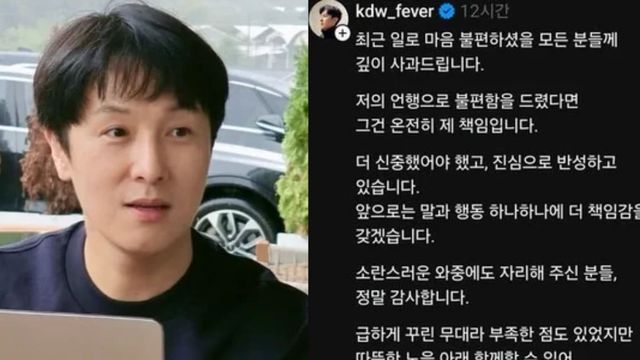
Criticism also arose regarding the cast members' attitudes. Through opinions like 'All cast members who found the firefighter's story interesting, laughed, and enjoyed it should apologize,' critics pointed out that the very attitude of treating it as mere interesting material is problematic. Furthermore, the reaction 'How could they turn nobility into entertainment content' raises a fundamental issue that commercializing a firefighter's sacrifice—made while risking their life to save others—is inappropriate.
This content is general information compiled based on publicly available materials. Please check official announcements from relevant organizations for accurate information.