Plagiarism Controversy Over Film 'The Man Living with the King' Explained...Production Company vs. Family's Claims Compared
인포바이브 편집팀|입력 2026.03.10 08:37|3
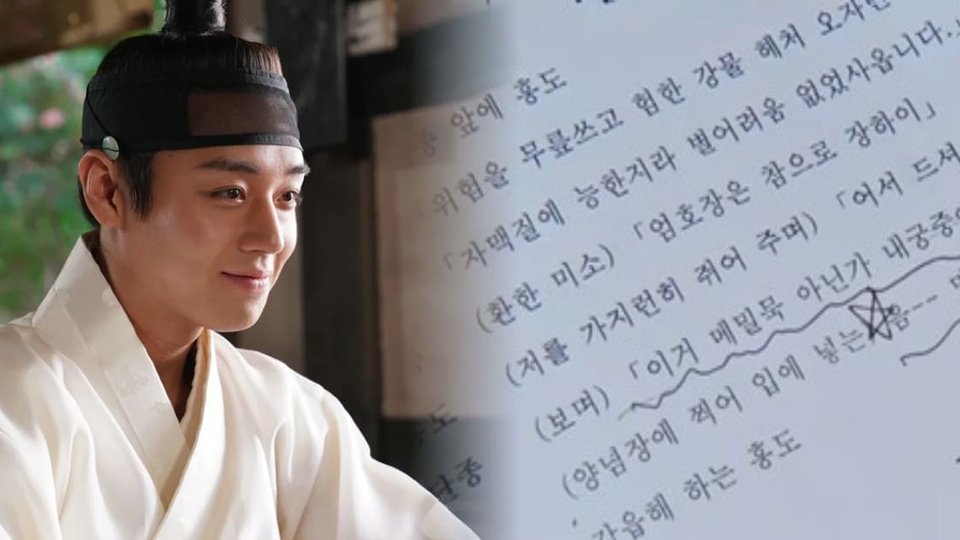
사진 출처: 영화 '왕과 사는 남자' / 드라마 '엄흥도' 시나리오
Background of Plagiarism Allegations
The film 'The Man Living with the King,' which surpassed 10 million viewers, has recently become entangled in copyright disputes. The bereaved family of the screenwriter for the drama 'Eom Heungdo' demanded explanations from the production company, claiming that the film's main settings and content are similar to the deceased father's original work. In response, the production company Ondaworks immediately refuted the plagiarism claims as 'groundless' and even hinted at legal action. While such disputes commonly arise from similarities in creative works based on history, the controversy gained attention as specific scene comparisons were made.
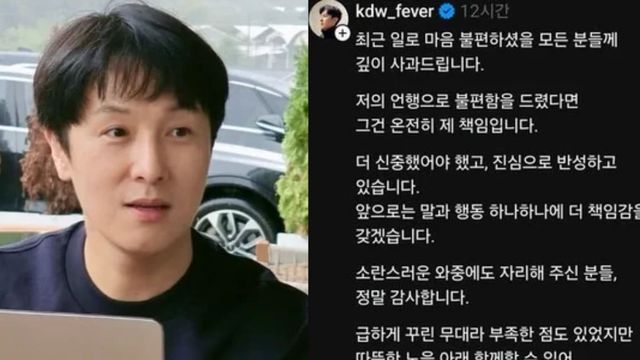
The core of the plagiarism allegations lies in the fact that both works are based on the relationship between Danjon, a real historical figure, and Eom Heungdo, the village chief who cared for him. Since both works deal with the same historical background, some degree of similarity is inevitable, but the similarity in specific scene settings has become problematic. According to the family, the drama screenplay written in the 2000s was submitted to several broadcasters but never proceeded to actual production, while the film achieved great commercial success, raising questions about original authorship credit.
This dispute extends beyond a simple copyright issue to discussions about proving originality of creative works and establishing plagiarism standards for historical works. The following section will examine the specific similarities presented by the bereaved family.
Key Similarities Claimed by the Bereaved Family
The bereaved family of the screenwriter for 'Eom Heungdo' pointed out several specific similarities between the film 'The Man Living with the King' and the deceased's work. The most critical scene similarity involves interactions related to food between Danjon and Eom Heungdo. Both works reportedly include a scene where Danjon, while in exile, eats food at Eom Heungdo's suggestion and expresses satisfaction.
More specifically, the family claimed that the psychological transformation of the characters is also similar. According to their explanation, in both works, Danjon initially refuses food but gradually opens his heart and ultimately expresses praise—a narrative structure that goes beyond mere thematic similarity. They also pointed out that the setting where Eom Heungdo relays Danjon's reaction to villagers is handled similarly in both works.
Similarities were also found in character relationships and event settings. According to the family, scenes where Eom Heungdo saves Danjon from attempting suicide at a cliff, and the setting where Eom Heungdo's son is brought to the magistrate's office are similar. At the character level, they claimed similarities in how multiple ladies-in-waiting of Danjon were consolidated into a single character, and how Eom Heungdo's children were adapted as an only son. The family argues that such overlapping scenes and settings cannot be mere coincidence.
Production Company's Rebuttal and Position
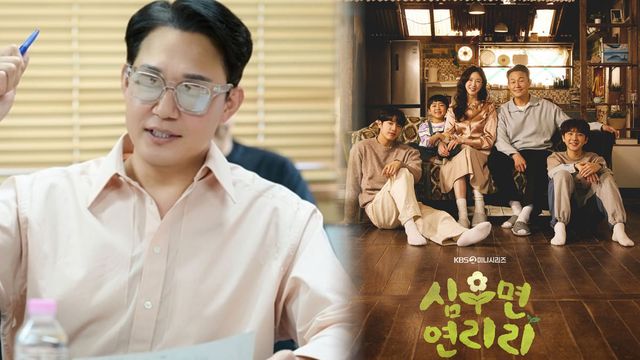
Ondaworks production company immediately and clearly denied the allegations, stating that 'plagiarism claims are groundless.' They adopted a strong stance, indicating they would respond firmly through all legal procedures, demonstrating that they take the plagiarism allegations very seriously. Ondaworks explained: 'Since the work is based on historical figures and events, there may be creative works claiming similarities, but there is no evidence of how we encountered such works during the creative process or any causal relationship.'
The production company particularly emphasized the transparency of their creative process. They stated: 'The Man Living with the King' is a purely original work based on historical facts, with the entire creative process meticulously documented and verifiable.' This suggests that there is no evidence of referencing the 'Eom Heungdo' drama screenplay from planning through final production. Ondaworks further asserted: 'We categorically deny plagiarizing any other copyrighted works during planning, development, and production.'
The production company's logic is based on the uniqueness of historical subject matter. Since the work deals with actual historical figures and events involving Danjon and Eom Heungdo, similarities in specific scenes or settings may be a natural result of historical facts. This is the argument that similar historical backgrounds inevitably produce similar scenes, presenting a different perspective from typical copyright law principles.
Production Background of 'The Man Living with the King'
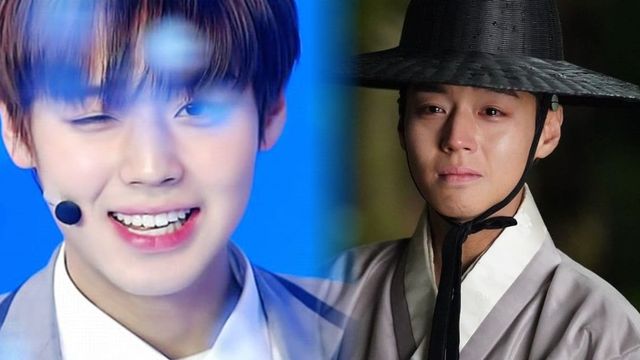
'The Man Living with the King,' directed by Jang Hang-jun, depicts the life of the deposed Danjon and his exile in Yeongwol, Gangwon Province. The film centers on the emotional connection between the characters, with Park Ji-hoon playing Danjon Lee Hong-wee and Yoo Hae-jin playing village chief Eom Heungdo. While the film accurately portrays historical facts surrounding Danjon's deposition and exile, the relationship between Eom Heungdo and Danjon and their interactions with villagers are filled with cinematic imagination.
The film follows a typical historical drama structure: accurately depicting actual historical events while filling in specific situations and emotional relationships between characters through creative fiction. This means creating a story that appeals to modern audiences' emotions by using Danjon, a real historical figure, and his tragic life as the subject matter. This approach is common in historical creative works, with many films and dramas adopting similar structures.
The film surpassed 10 million viewers on June 2024, currently recording an accumulated audience of approximately 11.706 million viewers. This commercial success demonstrates the film's popularity but is also a reason why plagiarism allegations have surfaced. It can be said that the high economic value resulting from large-scale audience draw has made copyright disputes subject to greater scrutiny.
Plagiarism Standards Under Copyright Law
This case raises a fundamental question about what standards determine plagiarism in creative works. Generally, plagiarism under copyright law does not result from mere similarity alone. It must be comprehensively judged whether the original work was actually encountered and whether substantially similar creative expressions were copied. If two works deal with the same historical figures and events, similarity in certain scenes or settings may be natural.
In particular, such judgments become even more complex for historical creative works. Since historical facts are publicly available, creative works based on those facts inevitably share some degree of similarity. For example, basic facts related to Danjon's exile must appear similarly across all history-based creative works. In such cases, determining plagiarism requires distinguishing whether the choice of creative expression is coincidental or copied.
The following section will examine how this dispute may develop and its potential impact on the Korean creative industry.
Legal Resolution Paths and Future Outlook
With Ondaworks hinting at legal proceedings, the dispute is likely to proceed to court judgment. If the family actually files a copyright infringement lawsuit, the court will comprehensively examine specific similarities between the two works, consider the production company's access to the original work, records of the creative process, and other factors. The 'detailed records of the creative process' emphasized by the production company could become decisive evidence.
Meanwhile, the family's demands can also be interpreted as concerning original authorship credit. The family reportedly stated, 'If the original author is indeed our father, we would like to see his name included in this work.' This can be viewed as an expression of desire to be recognized as the original author, rather than a direct claim of copyright infringement. If the issue is resolved through an agreement on original author credit, the dispute may not proceed to litigation.
This controversy could impact the entire Korean creative industry. It could serve as a precedent for how plagiarism is judged in history-based creative works. Additionally, the extent to which unpublished manuscripts by smaller production companies or individual creators can receive legal protection is also an important issue. Currently, attention is focused on how developments will unfold in the face of the production company's strong rebuttal and the film's commercial success.
Context of Plagiarism Disputes in Historical Creative Works
This case exemplifies typical plagiarism disputes in historical creative works. As Korean films and dramas increasingly deal with historical figures and events, the likelihood of multiple creative works simultaneously addressing similar subjects has increased. In this process, cases of discovering similarities in specific scenes or settings are becoming more frequent.
Due to the nature of historical creative works, basic historical facts are shared by all. The fact that Danjon was deposed and exiled to Yeongwol, and the tragic circumstances surrounding this, form the foundation for all history-based creative works. What matters is how creators tell different stories based on this common foundation. If the same events are unfolded in nearly identical ways, plagiarism allegations gain validity.
However, there is also a risk that natural expressions of historical events may be mistaken for plagiarism. For example, the process of Danjon initially refusing food and then accepting it in exile may be a natural expression of portraying the reality of that era. When determining plagiarism in historical creative works, such context must be sufficiently considered, focusing on creative expression choices rather than mere scene similarities.
Conclusion and Implications
The plagiarism allegations in 'The Man Living with the King' reemphasize the importance of intellectual property protection in Korea's creative industry. The production company can support its position through transparent documentation of the creative process, while the family can demand copyright protection for unpublished manuscripts. When legal judgment is rendered in the current confrontational situation, it will serve as an important precedent for plagiarism standards in historical creative works.
Furthermore, this case suggests the need to strengthen copyright protection for unpublished manuscripts or submitted screenplays. If the screenplay written by the family in the 2000s never proceeded to actual production and decades have passed, proving the existence of the original work itself may become difficult. In the future, creators must record and protect their creative works more systematically.
Currently, claims from the production company and the bereaved family are in direct conflict. The production company maintains its stance on purely original creation, while the family presents specific scene similarities. The final conclusion of this dispute is expected to come through court judgment or agreement between the two parties.
This content is general information organized based on publicly available materials. Please check official announcements from relevant organizations for accurate details.