Understanding Gas Station Prices Following Implementation of Oil Price Ceiling Policy
인포바이브 편집팀|입력 2026.03.13 06:00|0
사진 출처: 온라인 커뮤니티
What is the Oil Price Ceiling Policy?
The government has introduced a new price control system to stabilize rapidly rising oil prices. This system works by setting a price ceiling on oil supplied by refiners to gas stations. The key mechanism limits gasoline to a maximum of 1,724 won per liter and diesel to 1,713 won per liter, preventing prices from exceeding these thresholds.
This policy emerged amid rising international crude oil prices and geopolitical instability in the Middle East. As concerns about oil supply grew due to escalating international disputes involving Iran, the government decided to actively intervene to reduce the burden on domestic consumers. The following section examines the situation at gas stations on the policy's first day of implementation.
The Reality at Gas Stations on Day One
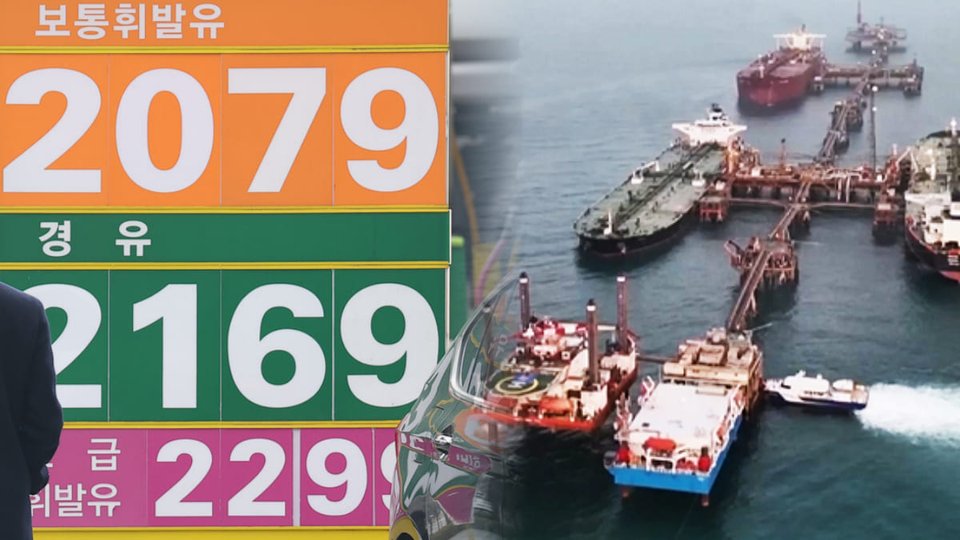
When visiting several gas stations in Seoul on the morning of the 13th, when the oil price ceiling policy took effect, a different picture emerged from consumer expectations. Some gas stations still recorded gasoline prices around 2,079 won per liter, significantly higher than the government-set ceiling price.
Drivers waiting to refuel expressed disappointment. Those who had heard about the policy in advance postponed refueling for two weeks expecting price cuts, only to find the reality quite different. One driver expressed frustration, saying, "I waited without refueling for two weeks after hearing about the price cut, but I don't see much difference."
Notably, prices varied from station to station. Gas stations offering relatively cheaper prices in the 1,700 won range had long lines of vehicles, while many stations maintaining higher prices appeared quiet. This demonstrated how sensitive consumers are to price information. The following section explains why this phenomenon occurs.
The Time Lag Between Wholesale and Retail Prices
Gas station operators explained that current high retail prices were justified. The key point is that the oil price ceiling policy restricts refiners' wholesale prices but does not directly control consumer prices. All oil currently being sold consists of inventory purchased at higher prices before the policy took effect.
If retail prices were suddenly slashed now, station operators would have to sell oil already purchased at high prices at a loss. For this reason, gas station operators predicted that substantial price reductions would appear roughly a week after existing inventory is depleted. One station operator explained the time lag issue, saying, "We've received many complaint calls since early morning asking why the news prices differ from actual prices."
This illustrates the gap between government policy and on-the-ground implementation. When the government set the wholesale price ceiling, consumers expected immediate price cuts, but the market mechanism requires sufficient time for real effects to materialize. The following section examines the practical hardships faced by livelihood-dependent drivers.
Severe Livelihood Threats for Delivery and Transport Workers
Those in delivery and transport work face the most direct impact from rising fuel costs. For these workers, fuel prices go beyond ordinary living expenses—they directly affect their survival. A driver who has been in delivery for over 30 years reported a serious situation, saying, "My monthly fuel bill exceeded previous levels by over 200,000 won."
More alarming is that some drivers are spending up to 600,000 won monthly on fuel. This ultimately gets passed on through increased delivery and transport fees, creating a vicious cycle of rising service costs for consumers. Moving van drivers face similar circumstances, and their economic hardship creates widespread social ripple effects.
On a positive note, these workers welcome the government's oil price ceiling policy, but the consensus is that the perceived benefits remain minimal so far. Most agree that tangible benefits will only be visible after existing inventory depletes. The following section examines improvement measures proposed by consumers and experts.
Calls for More Active Government Intervention
Some citizens, observing that price reduction effects remain limited over time, have begun raising suspicions of collusion among refiners. There is concern that relying solely on market forces could minimize actual consumer benefits. Consequently, voices are growing that the government should not merely limit wholesale prices but should more directly manage consumer retail prices as well.
Refiners argue that even the wholesale price restrictions significantly pressure profitability, while consumers believe that government-regulated ceiling prices should be genuinely reflected in the market. This has sparked policy debates about the scope and intensity of government intervention.
Overall, the current situation suggests that while the oil price ceiling policy is sound in principle, there is room for improvement in implementation. Finding a solution that satisfies government, industry, and consumers alike is the challenge ahead. The following section examines how international conditions affect oil prices.
The Connection Between International Affairs and Oil Prices
Current surging oil prices stem from geopolitical instability in the Middle East, centered on Iran. As international conflicts intensify, concerns about crude oil supply disruptions grow, leading to rising global oil prices. South Korea relies heavily on imports for most energy resources, making its economy highly vulnerable to international oil price fluctuations.
These international variables represent fundamental issues difficult to resolve through short-term policy alone. The government's oil price ceiling policy can be seen as the best available measure to protect domestic consumers from such international shocks. However, long-term solutions require fundamental measures through energy diversification and import diversification.
Future Outlook and Challenges
Whether the oil price ceiling policy leads to actual price stability will be determined through its operational process going forward. Based on current information and field responses, it is clear that sufficient time is needed for wholesale price ceilings to be fully reflected in retail prices.
Particularly important will be whether the burden on livelihood-dependent drivers in delivery and transport sectors is actually relieved. Close monitoring of price trends after inventory depletion in a week is necessary. Additionally, refiner cooperation and consumer confidence recovery are factors that will determine policy success.
In an era of high inflation, energy prices significantly impact overall price levels. For the oil price ceiling policy to achieve its intended goals, cooperation among government, refiners, and consumers is essential. Long-term measures should include enhanced transparency in energy policy and more sophisticated market monitoring systems.
This content is general information organized based on publicly available materials. Please confirm accurate details through official announcements from relevant agencies.