Motel Serial Murder Case: A Comprehensive Look at the Controversy Over the Spread of Drug Recipes and the Role of the Media
인포바이브 편집팀|입력 2026.03.25 09:00|0
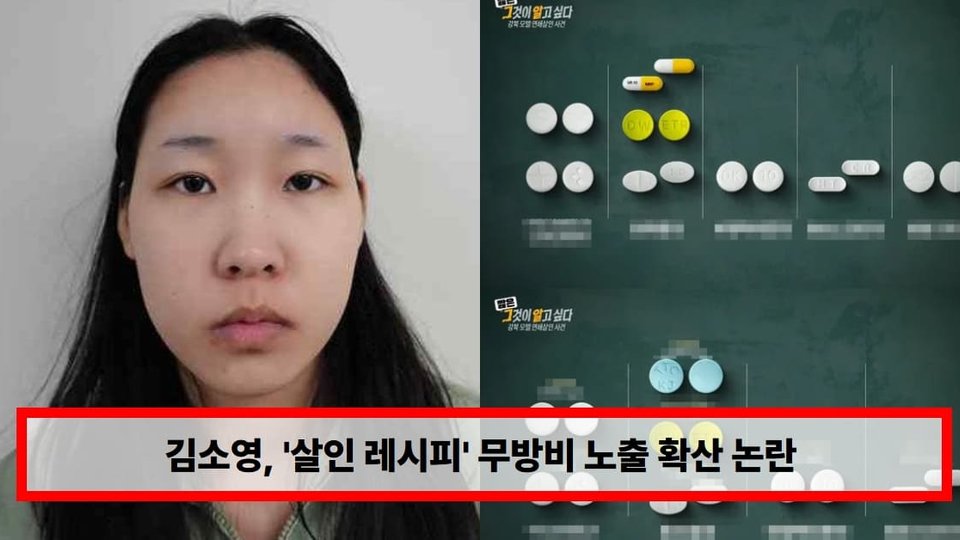
사진 출처: 서울북부지검 / SBS ‘그것이 알고 싶다’
Shocking Serial Murder Case and Spreading Concerns
The modus operandi of the motel serial murder case that recently occurred in the Gangbuk-gu area of Seoul is indiscriminately spreading through online channels and social networking services (SNS), escalating social controversy. Criminal information, dubbed 'drug murder recipes,' is being consumed as if it were mere entertainment, leading to increasing warnings about the risk of potential copycat crimes.
This case is known as a brutal crime where a suspect in their 20s murdered male victims using drugs and stole their assets. Particularly, as specific methods, such as the types of drugs used in the crime and how they were mixed, spread online, public anxiety about this has grown, and questions about accountability for the spread of information have been raised. InfoVibe has thoroughly compiled the key details of this case, the core of the controversy, and the points our society needs to collectively consider.
Motel Serial Murder Case: The Full Story of the Crime and its Brutality
Kim So-young (21), the suspect in this case, is accused of murdering two men and injuring four others in various motels in Seoul's Gangbuk-gu. Her modus operandi is reported to have been extremely meticulous and brutal. The day before the crimes, Kim So-young planned by crushing eight different types of pills, including benzodiazepines, into powder and mixing them into hangover remedy bottles in advance.
The victims entered the motels, drank this 'fake hangover remedy,' and collapsed, and Kim So-young seized the opportunity to steal their credit cards and flee. She even committed bizarre acts, such as ordering and eating or taking away 10 servings of delivery food while the victims were unconscious. Even more shocking is that despite the victims struggling in agony for at least 6-7 hours to detoxify from the drugs and alcohol before dying, Kim So-young abandoned them and calmly left the scene. The brutality of these crimes has deeply shocked many.
The full story of this shocking incident was covered in depth by the SBS current affairs program 'Unanswered Questions' and became known to the public. The program, aired on the 21st, focused on Kim So-young's meticulous modus operandi. However, during the broadcast, the names and appearances of psychotropic drugs were aired without alteration, sparking controversy.
Some viewers and netizens strongly criticized the broadcast, arguing that while it claimed to serve the 'public interest,' it effectively provided a 'murder manual' to potential criminals. In particular, calls for severe disciplinary action from the Korea Communications Standards Commission are growing. Contrary to the program's intention to highlight the seriousness of the crime and raise awareness, there are ongoing criticisms that the method of information disclosure could actually be counterproductive.
Indiscriminate Spread of 'Murder Recipes' Through Online Channels and SNS
After the broadcast, Kim So-young's modus operandi began to spread rapidly through online channels and SNS. Particularly on platforms like X (formerly Twitter), posts sharing the names and photos of the 8 types of drugs Kim So-young used, accompanied by phrases like "Hey guys, the recipe's out," spread, garnering millions of views. This phenomenon went beyond simple information sharing, showing a dangerous pattern where brutal criminal methods were consumed as if they were interesting content.
A greater concern is that even in the summary video uploaded by the 'Unanswered Questions' production team to their official YouTube channel, the drug information was exposed without any blurring or concealment. Since YouTube is a highly accessible platform that anyone can easily watch, there are many criticisms that the so-called 'murder recipe' has a greater potential to spread even more widely. This indiscriminate spread of information is recognized as a serious problem, not only because it increases the risk of copycat crimes but also because it can distort social awareness of crime.
The Role of Media and Ethical Dilemma: Public Interest vs. Risk of Imitation
This controversy raises important questions about the role and ethical responsibility of the media. An SBS official explained, "The partial exposure of drug images in this broadcast was not to provide information about specific drugs, but to reveal the true reality of how even normal prescription drugs commonly encountered in our daily lives can become terrifying weapons when overused or misused to a 'lethal dose level' by criminals."
The official also emphasized, "The drugs featured in the broadcast are also prescription medications normally used in psychiatry, but the focus should be on the 'brutality' of the criminal maliciously administering them in large quantities." Although the production team explained that they thoroughly concealed the names of specific drugs that could lead to copycat crimes or misuse, viewers judged that the visual information of those drugs was sufficiently conveyed, thus clearly revealing the ethical dilemma between public interest and potential side effects. It is a time when in-depth discussion is needed on what balance the media should strike between informing the public about the seriousness of crimes and simultaneously preventing the misuse of criminal methods—these two important values.
The Shadow of Copycat Crimes: The Need for Social Awareness and Response
When sensitive information, particularly criminal methods involving drug use, is exposed in detail to the public, the greatest concern is the potential for copycat crimes. Information easily accessible online can provide misguided inspiration to those who are curious or psychologically unstable, carrying the risk of leading to actual crimes. The phenomenon of specific drug names and images being shared like 'recipes' further amplifies these concerns.
Therefore, our society must maintain a high level of vigilance regarding such information dissemination. We must guard against the attitude of consuming crime merely for entertainment, and online platform operators should take more proactive monitoring and deletion measures for harmful information. Furthermore, it is once again emphasized that when covering crimes, the media must prioritize social responsibility alongside public interest values, and carefully decide the level and method of information exposure.
The Significance of the Case and Our Future Direction
The recent motel serial murder case and the controversy surrounding the spread of its modus operandi raise several important questions for our society. It reminds us that while recognizing the seriousness of brutal crimes, a deep understanding is also needed regarding how criminal information circulates in the digital environment and what ripple effects it can have.
The media must always weigh public interest values against potential risks when reporting on crimes, and viewers also need to adopt a responsible attitude, accepting information with a critical perspective and refraining from indiscriminate sharing. Only through such collective efforts can we prevent tragedies like this case from recurring and foster a safer, healthier information environment. Through this incident, it is time for us to clearly recognize the light and shadow that information dissemination can bring and seek wiser ways to respond.
This content is general information compiled based on publicly available data. For accurate details, please refer to the official announcements from relevant authorities.
#김소영#모텔 연쇄 살인#약물 살인#그것이 알고 싶다#약물 레시피#모방 범죄#미디어 윤리#사회 문제#범죄 확산#정보 확산